Haldiram's restaurant, in New Delhi, India, is noisy and crowded. At the larger tables, stylish young parents, well-dressed grandparents and happy, excited children are enjoying dinner. At smaller tables nearby sit the ayahs, the children's nannies. These girls are barely older than the kids they care for, and look heartbreakingly out of place. Each girl makes less money in a month than her employers will spend on dinner that night. None of the girls will go to school. They will spend their lives eating leftovers and wearing hand-me-downs.
In India, employment of children as maids and servants is a way of life. It is also illegal. Girls and boys perform a variety of household chores, from cooking and washing to child care. They also work at roadside eateries and in hotels and restaurants.
In October 2006, the Indian government extended a law that prohibits children under 14 from working in hazardous professions to include a ban on jobs in hotels, restaurants and private homes. Despite the legal change, UNICEF, in a report issued last week, said that 12% of India's children between ages 5 and 14 are in the labor force. But the real figure may be even higherosomewhere between 75 and 90 million kids.
"Everyone knows factories use children," says Puja Sahu, the owner of a boutique in New Delhi. "It's an open secret." Last October, the Gap clothing chain was forced to withdraw a line of embroidered blouses because of reports that the garments were stitched by kids.
The Root of the Problem
When the government first suggested a ban on child labor in homes, hotels and restaurants, employers and even some children's rights activists pointed out that many children work in order to survive. If they didn't work, who would feed them? Where were the schools that would offer the kids a brighter future?
The ban was a "positive step forward," says Farida Lambay, the founder of Pratham, a children's rights group.
Others are less optimistic. "The entire thing has been a disaster," says Umesh Kumar Gupta of Bachpan Bachao Andolan, a group that has been at the head of the anti-child-labor movement. He points out that children who have been rescued since the ban went into effect often have had to find employment elsewhere, because the poverty at the root of the problem has not been addressed. Ingrid Srinath, another activist, agrees. "Sometimes, the children's families don't want them back," she says. "They want the children to continue working, because they need the money."
A Huge Reserve of Talent
For many, India is a land of opportunity. Salaries are rising, and the middle class is thriving. The country has 36 billionaires. Two years ago, the Internet-technology industry alone brought in $36 billion. The world's biggest democracy is poised to become an economic superpower.
One of India's greatest resources is its young populationo35% of its 1.1 billion people are under the age of 15. But, with millions of children not going to school and not learning any skills, this huge reserve of potential talent could spell trouble, not prosperity. Harjot Kaur, director at the Ministry of Labor and Employment, insists that the government is working to improve the situation. She points to plans to conduct a survey to determine the number of working children and to expand projects aimed at eventually eliminating child labor.
The leaders of businesses and industry, meanwhile, have begun to realize that India's future lies with its youth, and in educating the poor. Infosys, a giant technology company, has set up 10,000 libraries in rural areas across the country. Wipro, another tech firm, is adopting 7,500 schools.
The ayahs in Haldiram's restaurant can hope only for table scraps. But a combination of political action and business investment could bring them, and all of India's children, a rich feast of possibilities.
Saturday, February 16, 2008

Time For Kids
A year has 525,600 minutes. Each of them can hold remarkable moments that we will remember for years to come. In 2007, we saw leaders work to improve the world. Some searched for ways to bring peace to the Middle East. Others raised awareness about climate change and reminded us of the fragility of our planet.
We thrilled to the discovery of a distant planet that might support life. We felt sorrow for the victims of a collapsed bridge. And we honored the brave men and women who serve in the armed forces.
In sports, a controversial slugger slammed past a home-run record, and a quarterback led his team to an exciting Super Bowl victory. In the world of entertainment, we said hello to a new American Idol and goodbye to one of literature's most belovedoand memorableowizards.
Here are some moments to remember from the minutes of 2007.
JANUARY 2
The nation mourned the death of former President Gerald R. Ford. The unelected 38th President helped to heal the country at a time when many Americans had lost faith in government. Ford was 93.
FEBRUARY 4
The Indianapolis Colts beat the Chicago Bears 29-17 in Super Bowl XLI. Quarterback Peyton Manning (holding trophy) celebrates with Colts coach Tony Dungy.
MARCH 29
President George W. Bush and House Speaker Nancy Pelosi awarded the Congressional Medal of Honor to World War II African-American heroes the Tuskegee Airmen.
APRIL 24
Astronomers discovered a planet outside our solar system that seems as if it could sustain life. The planet, named Gliese 581c, is located 120 trillion miles from Earth.
MAY 22
Arizona high school student Jordin Sparks was crowned the new American Idol. The singer's big voice and sparkling personality wowed American Idol judges and TV audiences. At age 17, she was the competition's youngest winner.
JUNE 27
Britain's prime minister and Labor Party leader Tony Blair resigned after leading his country for 10 years. Blair was the youngest prime minister to serve Britain since 1812, taking office at age 44. He was a close ally of United States Presidents throughout his time in office.
JUNE 29
Apple released the iPhone to huge fanfare. The high-tech gadget combines a phone, an iPod, an Internet browser and a digital camera in one handheld device.
JULY 7
The new Seven Wonders of the World were announced. Almost 200 landmarks were nominated, but only the places voters found most dazzling made the list. About 100 million votes were cast on the Internet and by text messages. China's Great Wall was a top choice.
JULY 7
Live Earth, a 24-hour concert on seven continents, brought together 150 music acts and millions of people. The goal: to raise awareness about global warming. Here, crowds watch Macy Gray perform in Brazil.
JULY 21
The seventh and final book in the Harry Potter series, Harry Potter and the Deathly Hallows, was released. In the first 24 hours, 11 million copies were sold.
AUGUST 1
It was rush hour in Minneapolis, Minnesota, when the I-35W bridge over the Mississippi River suddenly collapsed. Cars plunged into the river and 13 people died. The terrible accident brought attention to the safety of bridges all around the country.
AUGUST 7
As rumors of steroid use swirled around him, San Francisco Giants outfielder Barry Bonds hit homer No. 756, smashing the all-time home-run record.
SEPTEMBER 10
The top American military commander in Iraq, General David Petraeus, reported to Congress that progress was being made in bringing stability to that country.
SEPTEMBER 12
The World Conservation Union published its annual Red List of plants and animals in danger of extinction. In 2007, there were 16,306 different species on the list, including critically endangered great apes like this orangutan.
OCTOBER 12
The prestigious Nobel Peace Prize was awarded to former Vice President Al Gore and a United Nations panel on climate change.
OCTOBER 28
There was joy in Massachusetts after the Red Sox swept the Colorado Rockies to win the World Series. Boston last won the title in 2004. Mike Lowell was named Most Valuable Player.
NOVEMBER 27
President George W. Bush hosted a conference in Annapolis, Maryland, that brought together Israeli prime minister Ehud Olmert and Palestinian president Mahmoud Abbas. They agreed to hold peace talks.
DECEMBER 4
A kayaker paddled through a submerged neighborhood in Centralia, Washington, after rain pounded the Pacific Northwest. The storm brought down trees and power lines with 90-mile-per-hour wind gusts. There was widespread flooding of rivers and streams. A state of emergency was declared in Washington and Oregon.
We thrilled to the discovery of a distant planet that might support life. We felt sorrow for the victims of a collapsed bridge. And we honored the brave men and women who serve in the armed forces.
In sports, a controversial slugger slammed past a home-run record, and a quarterback led his team to an exciting Super Bowl victory. In the world of entertainment, we said hello to a new American Idol and goodbye to one of literature's most belovedoand memorableowizards.
Here are some moments to remember from the minutes of 2007.
JANUARY 2
The nation mourned the death of former President Gerald R. Ford. The unelected 38th President helped to heal the country at a time when many Americans had lost faith in government. Ford was 93.
FEBRUARY 4
The Indianapolis Colts beat the Chicago Bears 29-17 in Super Bowl XLI. Quarterback Peyton Manning (holding trophy) celebrates with Colts coach Tony Dungy.
MARCH 29
President George W. Bush and House Speaker Nancy Pelosi awarded the Congressional Medal of Honor to World War II African-American heroes the Tuskegee Airmen.
APRIL 24
Astronomers discovered a planet outside our solar system that seems as if it could sustain life. The planet, named Gliese 581c, is located 120 trillion miles from Earth.
MAY 22
Arizona high school student Jordin Sparks was crowned the new American Idol. The singer's big voice and sparkling personality wowed American Idol judges and TV audiences. At age 17, she was the competition's youngest winner.
JUNE 27
Britain's prime minister and Labor Party leader Tony Blair resigned after leading his country for 10 years. Blair was the youngest prime minister to serve Britain since 1812, taking office at age 44. He was a close ally of United States Presidents throughout his time in office.
JUNE 29
Apple released the iPhone to huge fanfare. The high-tech gadget combines a phone, an iPod, an Internet browser and a digital camera in one handheld device.
JULY 7
The new Seven Wonders of the World were announced. Almost 200 landmarks were nominated, but only the places voters found most dazzling made the list. About 100 million votes were cast on the Internet and by text messages. China's Great Wall was a top choice.
JULY 7
Live Earth, a 24-hour concert on seven continents, brought together 150 music acts and millions of people. The goal: to raise awareness about global warming. Here, crowds watch Macy Gray perform in Brazil.
JULY 21
The seventh and final book in the Harry Potter series, Harry Potter and the Deathly Hallows, was released. In the first 24 hours, 11 million copies were sold.
AUGUST 1
It was rush hour in Minneapolis, Minnesota, when the I-35W bridge over the Mississippi River suddenly collapsed. Cars plunged into the river and 13 people died. The terrible accident brought attention to the safety of bridges all around the country.
AUGUST 7
As rumors of steroid use swirled around him, San Francisco Giants outfielder Barry Bonds hit homer No. 756, smashing the all-time home-run record.
SEPTEMBER 10
The top American military commander in Iraq, General David Petraeus, reported to Congress that progress was being made in bringing stability to that country.
SEPTEMBER 12
The World Conservation Union published its annual Red List of plants and animals in danger of extinction. In 2007, there were 16,306 different species on the list, including critically endangered great apes like this orangutan.
OCTOBER 12
The prestigious Nobel Peace Prize was awarded to former Vice President Al Gore and a United Nations panel on climate change.
OCTOBER 28
There was joy in Massachusetts after the Red Sox swept the Colorado Rockies to win the World Series. Boston last won the title in 2004. Mike Lowell was named Most Valuable Player.
NOVEMBER 27
President George W. Bush hosted a conference in Annapolis, Maryland, that brought together Israeli prime minister Ehud Olmert and Palestinian president Mahmoud Abbas. They agreed to hold peace talks.
DECEMBER 4
A kayaker paddled through a submerged neighborhood in Centralia, Washington, after rain pounded the Pacific Northwest. The storm brought down trees and power lines with 90-mile-per-hour wind gusts. There was widespread flooding of rivers and streams. A state of emergency was declared in Washington and Oregon.
Holding on to History
Avery Clayton is in a race against timeoand mold, and silverfish, those insects that have a taste for paper. The former art teacher is determined to protect treasures of African-American culture from neglect and destruction. "Unless there's an organized, concerted effort to gather this material, it will be gone in 50 years," Clayton told TIME FOR KIDS.
Clayton says that there is a rich trove of artwork, literature and other valuable pieces of black history sitting in people's basements and attics. He knows this from personal experience: He has peered into dank cellars and crumbling garages. His mother, Mayme Agnew Clayton, collected rare and important items from African-American culture. Her riches include handwritten slave documents, first-person slave narratives, early photographs, black-cowboy films, autographed first-edition books by African-American authors and personal letters by black leaders and artists. By the time of her death, in 2006, she had filled her garage, a film warehouse and two storage units near her home, in Los Angeles, California, with astounding artifacts.
On Display
Soon the private collections of Mayme Clayton and others will have a grand home in a former courthouse in Culver City, California. Her son convinced the city to rent the building to him for $1 a year. In December 2007, he received a federal grant of $250,000 to renovate the old courthouse.
Avery Clayton has a lot of support. The Library of Congress plans to display parts of the collection on its website. Last November, a professor and college interns began to catalog and organize the collection. And architecture students from Howard University are helping to design a multistory addition for the museum. The 23,470-square-foot courthouse just isn't big enough.
Historians say that without people like Mrs. Clayton, large portions of black culture would be lost forever. Lonnie Bunch is the founding director of the Smithsonian Institution's National Museum of African American History and Culture. It is set to open in Washington, D.C., in 2015. Bunch told TFK that for years, "Many museums didn't think African-American collections were as valuable as others. That's why private collectors are so important."
A Rich Heritage
The Smithsonian has turned to homegrown historians to help preserve African-American artifacts. In January, it held the first of several events led by conservation experts. About 200 people gathered at the Chicago Public Library, in Illinois, where they learned how to safely handle and store everything from clothing and textiles to books and letters. Some of these items may end up at the Smithsonian museum. But Bunch also urges individuals to donate to local libraries and smaller museums (see "Black History in Your Backyard"). "Every time a collection is lost, we lose a piece of who we are," he says. "These aren't just old papers."
Avery Clayton's collection continues to grow, as people come forward with their own significant cultural specimens. He hopes to open the Mayme A. Clayton Library & Museum in 2009. He would like to turn one of the rooms into a public library, and others into a screening room and a theater. In yet another, there's a jail cell in which he plans to project a life-size hologram of Martin Luther King Jr. reading his famous letter from jail in Birmingham, Alabama.
More than anything, Clayton wants to provide young people with information about lesser-known African Americans who made great contributions to society. He says the museum will provide schools with free teaching tools.
Clayton envisions the museum as a place where people of all ages and backgrounds can learn and celebrate what it means to be an American. "For the most part, African-American culture is defined in the media as either slavery or civil rights, crime or hip-hop music," Clayton says. "But it's so much more than that."
Clayton says that there is a rich trove of artwork, literature and other valuable pieces of black history sitting in people's basements and attics. He knows this from personal experience: He has peered into dank cellars and crumbling garages. His mother, Mayme Agnew Clayton, collected rare and important items from African-American culture. Her riches include handwritten slave documents, first-person slave narratives, early photographs, black-cowboy films, autographed first-edition books by African-American authors and personal letters by black leaders and artists. By the time of her death, in 2006, she had filled her garage, a film warehouse and two storage units near her home, in Los Angeles, California, with astounding artifacts.
On Display
Soon the private collections of Mayme Clayton and others will have a grand home in a former courthouse in Culver City, California. Her son convinced the city to rent the building to him for $1 a year. In December 2007, he received a federal grant of $250,000 to renovate the old courthouse.
Avery Clayton has a lot of support. The Library of Congress plans to display parts of the collection on its website. Last November, a professor and college interns began to catalog and organize the collection. And architecture students from Howard University are helping to design a multistory addition for the museum. The 23,470-square-foot courthouse just isn't big enough.
Historians say that without people like Mrs. Clayton, large portions of black culture would be lost forever. Lonnie Bunch is the founding director of the Smithsonian Institution's National Museum of African American History and Culture. It is set to open in Washington, D.C., in 2015. Bunch told TFK that for years, "Many museums didn't think African-American collections were as valuable as others. That's why private collectors are so important."
A Rich Heritage
The Smithsonian has turned to homegrown historians to help preserve African-American artifacts. In January, it held the first of several events led by conservation experts. About 200 people gathered at the Chicago Public Library, in Illinois, where they learned how to safely handle and store everything from clothing and textiles to books and letters. Some of these items may end up at the Smithsonian museum. But Bunch also urges individuals to donate to local libraries and smaller museums (see "Black History in Your Backyard"). "Every time a collection is lost, we lose a piece of who we are," he says. "These aren't just old papers."
Avery Clayton's collection continues to grow, as people come forward with their own significant cultural specimens. He hopes to open the Mayme A. Clayton Library & Museum in 2009. He would like to turn one of the rooms into a public library, and others into a screening room and a theater. In yet another, there's a jail cell in which he plans to project a life-size hologram of Martin Luther King Jr. reading his famous letter from jail in Birmingham, Alabama.
More than anything, Clayton wants to provide young people with information about lesser-known African Americans who made great contributions to society. He says the museum will provide schools with free teaching tools.
Clayton envisions the museum as a place where people of all ages and backgrounds can learn and celebrate what it means to be an American. "For the most part, African-American culture is defined in the media as either slavery or civil rights, crime or hip-hop music," Clayton says. "But it's so much more than that."
Wednesday, February 13, 2008
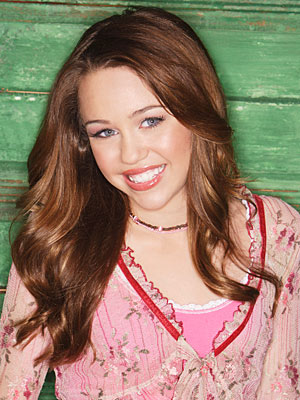
An Actindent
Miley Cyrus and father Billy Ray Cyrus are admitting they goofed. "We got caught up in the moment of filming, and we made a mistake and forgot to buckle our seatbelts," Billy Ray Cyrus tells PEOPLE about a gaffe in the hit 3-D movie Hannah Montana/Miley Cyrus: Best of Both Worlds Concert Tour – one that's caused a head-on collision with controversy. "Seatbelt safety is extremely important," he adds.Editors at Consumer Reports took issue with a scene in the film in which Miley and her dad are "riding in the back seat of a Range Rover on the way to rehearsal for the concert tour. Neither was wearing a seat belt," said a posting on the magazine's blog. "Why should we care?" the posting continued. "Because, according to the National Highway Traffic Safety Administration, in about 55 percent of passenger vehicle fatalities in 2006 (the latest data available), the occupants were not wearing seat belts. Even worse, in the 13- to 15-year-old age group, that percentage climbs to 65 percent." Observed Consumer Reports: "It seems to us that Miley, her father, and Disney had a perfect opportunity to help influence teens and counteract – rather than encourage – this trend. Then again, as Hannah herself sings, 'Everybody makes mistakes.' "
Subscribe to:
Posts (Atom)